Basement Stabilization in Tampa, FL
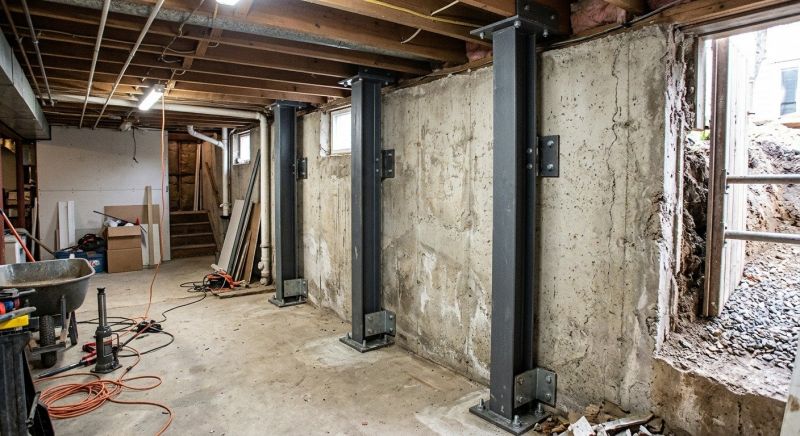
Basement stabilization services focus on improving the structural integrity of a home's foundation and preventing future settling or shifting. These services typically address issues such as uneven floors, cracks in walls, or signs of foundation movement. Projects can include installing support beams, underpinning, or other reinforcement methods to ensure the basement remains stable and safe. Property owners often seek basement stabilization when they notice signs of foundation distress or before undertaking remodeling projects that require a solid, level foundation.
Before requesting basement stabilization, homeowners usually want to understand the causes of foundation movement, the types of stabilization techniques available, and the expected outcomes of the work. It's important to assess whether the issue is related to soil conditions, water drainage, or other factors that may influence the stability of the basement. Clarifying these details helps property owners make informed decisions about the scope of work needed to maintain or restore the structural stability of their home.
Many property owners in Tampa, FL look into Basement Stabilization for repairs, replacements, upgrades, and appearance-related improvements.
Signs Of Foundation Movement
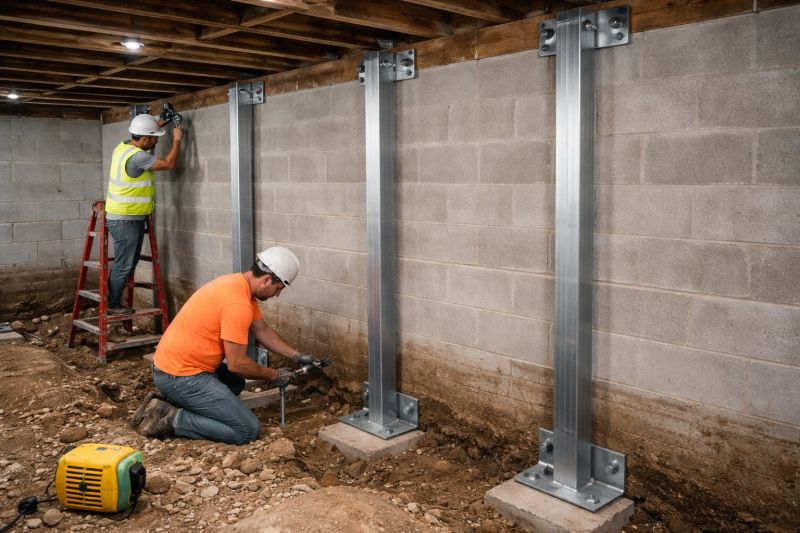
Cracks in walls or floors may indicate the need for basement stabilization.
Methods Of Stabilization
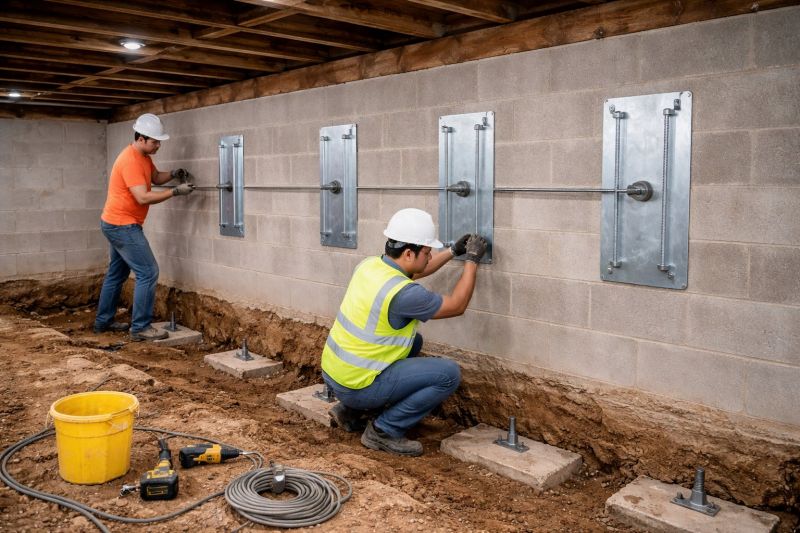
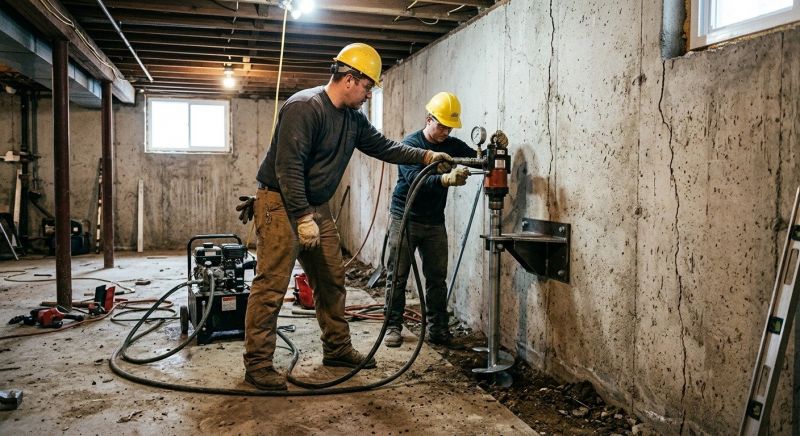
Various techniques like underpinning and piering can restore stability to a sagging basement.
Benefits Of Stabilization
Proper basement support enhances safety, prevents further damage, and preserves property value in tampa, fl.
Basement Stabilization in Tampa, FL

Basement stabilization services focus on improving the structural integrity of a home's foundation and preventing future settling or shifting. These services typically address issues such as uneven floors, cracks in walls, or signs of foundation movement. Projects can include installing support beams, underpinning, or other reinforcement methods to ensure the basement remains stable and safe. Property owners often seek basement stabilization when they notice signs of foundation distress or before undertaking remodeling projects that require a solid, level foundation.
Before requesting basement stabilization, homeowners usually want to understand the causes of foundation movement, the types of stabilization techniques available, and the expected outcomes of the work. It's important to assess whether the issue is related to soil conditions, water drainage, or other factors that may influence the stability of the basement. Clarifying these details helps property owners make informed decisions about the scope of work needed to maintain or restore the structural stability of their home.
Many property owners in Tampa, FL look into Basement Stabilization for repairs, replacements, upgrades, and appearance-related improvements.
Common Basement Stabilization Jobs
Basement Stabilization - techniques to prevent foundation shifting and cracking.
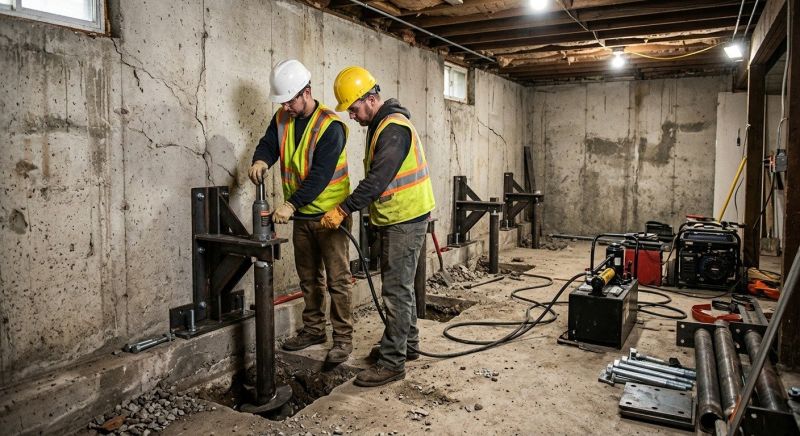
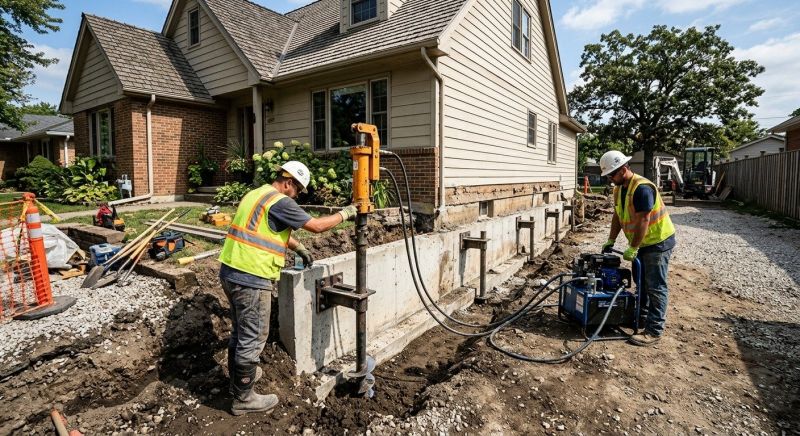
Foundation underpinning - methods to reinforce weakened basement supports.
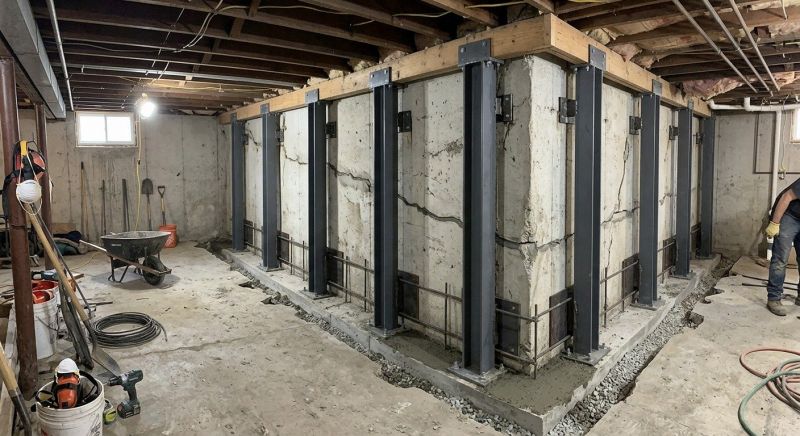
Wall bracing - stabilizing bowing or leaning basement walls.
Soil stabilization - improving soil conditions to reduce settlement issues.
Drainage solutions - managing water flow to lessen basement pressure and moisture.
Piering systems - installing piers to lift and stabilize settling basement floors.
Basement Stabilization Questions
What causes basement instability? Soil shifting, poor drainage, and foundation issues can lead to basement instability and uneven floors.
How can basement stabilization improve a property? It helps prevent further settling, reduces cracks, and maintains the structural integrity of the foundation.
What signs indicate a need for basement stabilization? Visible cracks in walls or floors, uneven flooring, and doors or windows that stick are common indicators.
Is basement stabilization suitable for all types of foundations? It is effective for various foundation types experiencing settlement or shifting issues.
Request Basement Stabilization in Tampa, FL
Use the quote form on this page to share the basics of your project and request more information for the type of work you need.